
Call: 07971189982
 Send Inquiry
 Send Inquiry
Touch Membrane Keypad
MOQ : 1 Piece
Touch Membrane Keypad Specification
- Input
- Touch Input via Pressure Sensitive Keys
- Features
- Flexible, Durable, Water Resistant, Easy to Clean
- Power Source
- External DC
- Components
- Polyester Overlay, Circuit Printed Layer, Adhesive, Terminal Pins
- Operating Temperature
- -20C to 60C
- Output
- Electronic Signal to Control Board
- IP Rating
- IP65 (Front Panel)
- Usage
- Ideal for Machine Controls, Industrial Panels, Electronic Appliances
- Display Type
- No Display
- Response Time
- 20 ms
- Power Supply
- External DC Supply
- Sensors Specification
- Capacitive/Resistive Touch Membrane
- Interface
- 16-pin Out Tail FRC Connector
- Product Type
- Touch Membrane Keypad
- Application
- Industrial
- Rated Voltage
- 5V DC
- Supply Voltage
- 5V DC Nominal
- Size
- Standard 4x4 Keypad Matrix (as shown)
- Dimension (L*W*H)
- Approx. 69 mm x 77 mm x 0.7 mm
- Function
- Operator Keypad
- Color
- Black, Grey, and Blue (as per image)
- Weight
- Approx. 20 grams
- Capacity
- Up to 16 Key Presses
- Current Rating
- 20 mA Max per Key
- Thickness
- 0.7 mm
- Switch Type
- Momentary (Non-Latching) Contacts
- Humidity Tolerance
- Up to 90% RH (non-condensing)
- Adhesive Type
- Pre-applied Industrial Adhesive Backing
- Contact Material
- Silver Ink Printed Circuit
- Actuation Force
- 150-200g
- Lifespan
- Up to 1 million key actuations
- Overlay Material
- Polyester (PET) with Printed Graphics
- Cable Length
- Approx. 85 mm Flexible Tail
- Custom Graphic Printing
- Available on Request
- RoHS Compliance
- Yes
- Keypad Layout
- 4x4 Matrix, 16 Buttons
- Mounting Method
- Peel-and-Stick Self-adhesive
Touch Membrane Keypad Trade Information
- Minimum Order Quantity
- 1 Piece
- Payment Terms
- Cash in Advance (CID)
- Supply Ability
- 25 Pieces Per Month
- Delivery Time
- 20 Days
- Main Domestic Market
- All India
Touch Membrane Keypad About
A touch membrane keypad typically consists of several layers, including a top layer that has symbols or letters printed on it, and a bottom layer that contains electrical contacts. When a finger or other object touches the top layer, it creates a small electrical charge that is detected by the electrical contacts, which sends a signal to the computer or other device. One of the main advantages of a touch membrane keypad is its durability and resistance to environmental hazards.
Durable and Flexible Design
Constructed with a polyester overlay and silver ink printed circuit, this keypad is engineered for durability and prolonged use. The flexible build allows it to withstand frequent key presses-up to 1 million actuations-while maintaining a compact, ultra-thin profile of just 0.7 mm. Its IP65-rated front ensures water resistance and easy cleaning for harsh industrial environments.
Effortless Installation
With a pre-applied industrial adhesive backing, mounting the keypad is a simple peel-and-stick process. The 85 mm flexible tail and 16-pin FRC connector facilitate straightforward electrical integration with control boards. No complex assembly is required, making it a suitable solution for rapid implementation in machine control panels and electronic appliances.
Optimized for Industrial Applications
Designed for use in machine controls, industrial operator panels, and electronics, this keypad provides reliable input through pressure-sensitive keys. Its momentary (non-latching) contacts ensure secure communication with control systems. The keypad operates on a standard 5V DC supply, making it compatible with a wide range of external sources and industrial setups.
FAQ's of Touch Membrane Keypad:
Q: How do I install the touch membrane keypad onto a control panel?
A: Installation is straightforward thanks to the pre-applied industrial adhesive backing. Simply peel off the protective layer and press the keypad firmly onto your desired clean, flat surface. The flexible tail can then be connected to your control board via the 16-pin FRC connector.Q: What happens if my environment is humid or exposed to water?
A: This keypad is designed for harsh environments, with an IP65-rated front panel and humidity tolerance up to 90% RH (non-condensing). Its polyester construction and sealed layer protect the circuitry from moisture and dust, making it suitable for industrial applications where occasional water or high humidity is present.Q: Where can this keypad be effectively used?
A: The keypad is ideal for use in machine controls, industrial panels, and electronic appliances where reliable operator input is required. It is especially suited for panels that demand frequent cleaning or are subject to splashes, dust, or varying environmental conditions.Q: What is the key actuation force and why does it matter?
A: Each button requires an actuation force of 150-200g, ensuring firm feedback for the operator without excessive effort. This balance helps prevent accidental presses and user fatigue during frequent operation, which is important in fast-paced industrial environments.Q: Is it possible to get the keypad with custom-printed graphics or different colors?
A: Yes, custom graphic printing is available upon request. You can personalize the overlay with specific colors, legends, or branding to suit your application or organizational standards.Q: What benefits do I gain from using a touch membrane keypad over traditional mechanical keyboards?
A: Membrane keypads offer a slim profile, high durability, and resistance to dust and water ingress. They are lightweight, easy to clean, and feature straightforward installation. Their flexible design and long lifespan (up to 1 million actuations) make them cost-effective for heavy-duty industrial applications.Q: How does the keypad interface with my electronic circuits?
A: The keypad outputs an electronic signal through its 16-pin FRC connector, which can be interfaced with your controller or circuit board. It requires a 5V DC external power source and operates using momentary, pressure-sensitive contacts for reliable input detection.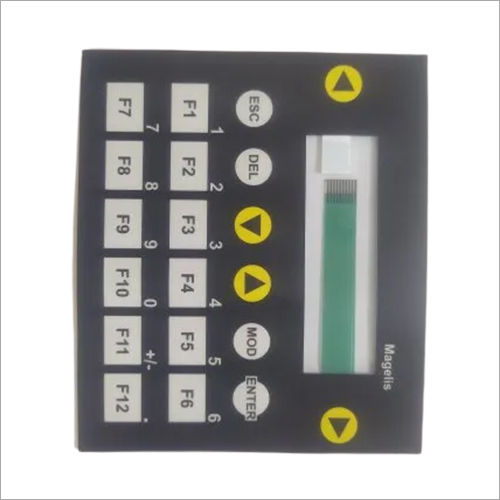
Tell us about your requirement

Price:
Quantity
Select Unit
- 50
- 100
- 200
- 250
- 500
- 1000+
Additional detail
Mobile number
Email

More Products in Membrane Keypad Category

OP010 Siemens Membrane Keypad
Minimum Order Quantity : 1 Piece
Product Type : OP010 Siemens Membrane Keypad
Color : Grey with colored keys
Rated Voltage : 24V DC
Usage : Industrial HMI (Human Machine Interface)
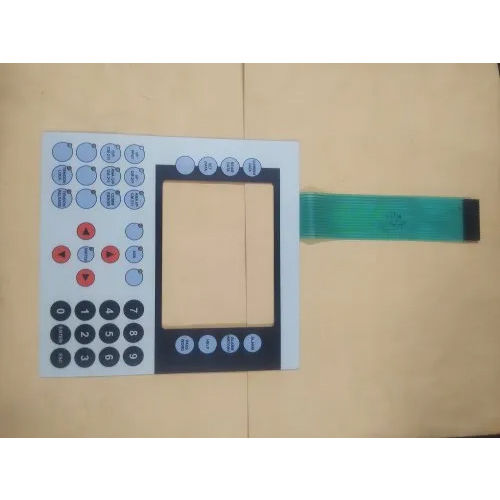
Membrane Keypad
Price 6650 INR / Piece
Minimum Order Quantity : 1 Piece
Product Type : Membrane Keypad
Color : White
Rated Voltage : 12 V DC
Usage : Electronic Equipment Control

OP277-6 Siemens Membrane Keypad
Price 5000 INR / Piece
Minimum Order Quantity : 1 Piece
Product Type : Membrane Keypad
Color : Grey with blue and white print
Rated Voltage : DC 5V
Usage : Industrial
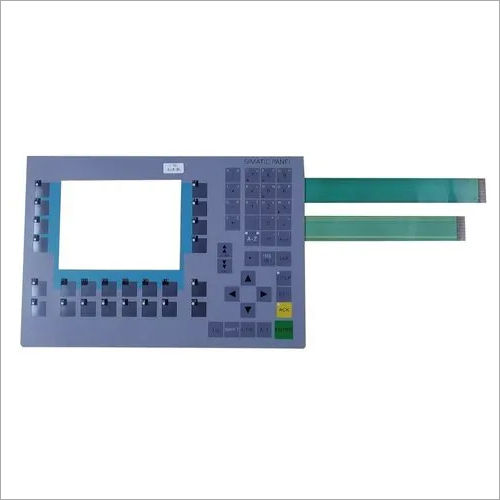
OP2776 Siemens Membrane Keypad
Minimum Order Quantity : 1 Piece
Product Type : OP2776 Siemens Membrane Keypad
Color : Grey background with blue and yellowprinted legend
Rated Voltage : 5V DC
Usage : Industrial automation equipment

Contact Details
Sun Tech Services
GST : 07BZXPS7853N1ZY
- Flat No. - 601/C, 2nd Floor, Block-7, Sec. - 3, Bawana, Near Mother Dairy, Delhi - 110039, India
- Phone :07971189982
 Send Inquiry
Developed and Managed by Infocom Network Private Limited.
