
Call: 07971189982
 Send Inquiry
 Send Inquiry
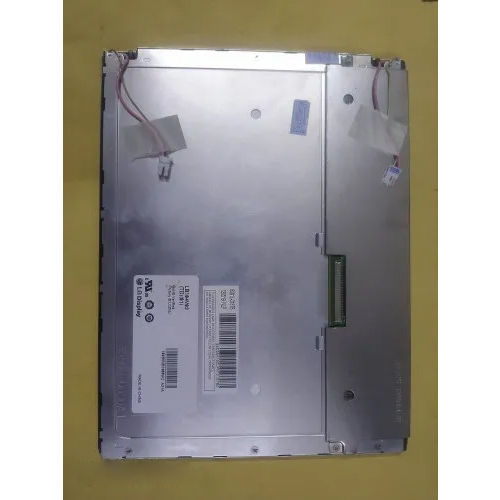
LCD Display In Industrial
MOQ : 1 Piece
LCD Display In Industrial Specification
- Usage
- Industrial Automation Equipment
- Components
- LCD Panel, PCB Controller, Backlight
- Power Source
- DC Powered
- Sensors Specification
- Not Included
- Features
- Wide Viewing Angle, Backlit Display, Anti-Glare Surface
- Power Supply
- Electric
- Interface
- Parallel/Serial Interface
- Output
- LCD Visual Display
- Input
- Digital Signal, Serial (UART/RS232)
- Resolution
- 800 x 480 Pixels
- Operating Temperature
- -20C to +70C
- Response Time
- < 5 ms
- IP Rating
- IP20
- Product Type
- LCD Display In Industrial
- Application
- Industrial
- Rated Voltage
- 5V DC
- Supply Voltage
- 4.5V-6.0V DC
- Size
- 7 inch (Diagonal)
- Dimension (L*W*H)
- 165 x 100 x 10 mm
- Function
- Visual Information Display
- Color
- Black Frame, Blue/White Screen
- Weight
- Approx. 450 grams
- Current Rating
- < 500 mA
- Thickness
- 10 mm (approx.)
- Humidity Tolerance
- 10% - 90% RH
- Data Format
- Supports ASCII, Hexadecimal Input
- Compliance Standards
- Meets Relevant IEC Standards
- Refresh Rate
- 60 Hz
- Backlight Type
- LED
- Lifespan
- > 30,000 hours
- Physical Buttons
- None (Touch Option Optional)
- Contrast Ratio
- 500:1
- Languages Supported
- Multiple (Configurable via Software)
- Front Protection
- Tempered Glass Front
- Viewing Angle
- 140 (Horizontal), 120 (Vertical)
- Storage Temperature
- -30C to +80C
- Mounting Type
- Panel Mount or Embedded
LCD Display In Industrial Trade Information
- Minimum Order Quantity
- 1 Piece
- Payment Terms
- Cash in Advance (CID)
- Supply Ability
- 25 Pieces Per Month
- Delivery Time
- 20 Days
- Main Domestic Market
- All India
LCD Display In Industrial About
LCD Display In Industrial is commonly used in industrial environments because they provide a reliable and efficient way to display information and data. This is designed to withstand harsh environments, such as high temperatures, dust, and vibration, and is typically more rugged and durable than consumer-grade displays. LCD Display In Industrial is used for a variety of purposes, including process monitoring, equipment control, data visualization, and human-machine interfaces (HMI).
Durable and Versatile Design
The display's robust build, including a tempered glass front and panel mount options, allows it to thrive in challenging industrial settings. With an operational temperature range from -20C to +70C and humidity tolerance up to 90% RH, this LCD excels in environments where reliability matters. A slim profile (10 mm) and lightweight design (approx. 450 grams) ensure easy integration into automation panels or embedded controller housings.
Exceptional Display Performance
Boasting a resolution of 800 x 480 pixels and a wide viewing angle (140 horizontal, 120 vertical), this LCD delivers clear, sharp visuals from various positions. The LED backlight, 500:1 contrast ratio, and anti-glare surface enhance readability in both brightly lit and dim conditions. The panel supports ASCII and hexadecimal data formats, seamlessly connecting to digital equipment via serial (UART/RS232) or parallel interfaces.
Advanced Features for Industrial Applications
Engineered for longevity, the display has a rated lifespan above 30,000 hours and supports electric power supplies between 4.5V and 6.0V DC. Its configurable multi-language interface, optional touch functionality, and compliance with relevant IEC standards make it an adaptable and reliable solution for industrial automation equipment, supporting distributors, service providers, and OEMs.
FAQ's of LCD Display In Industrial:
Q: How can the LCD display be integrated into my existing industrial automation system?
A: The display can be easily integrated through its panel mount or embedded design, connecting to your system via parallel or serial interfaces (UART/RS232). It supports digital signal inputs and offers simple installation within control panels or custom housings.Q: What benefits does the wide viewing angle offer in industrial environments?
A: A 140 horizontal and 120 vertical viewing angle ensures that operators can clearly view information from different positions, enhancing efficiency and reducing errors where displays may not always be positioned directly in front of users.Q: When should I consider this display for my application?
A: Choose this display when you need reliable, clear, and configurable visual feedback in environments demanding robust hardware. Its high contrast, fast response, anti-glare surface, and compliance with IEC standards make it suitable for automation lines, monitoring stations, and more.Q: Where is this LCD display most effectively used?
A: It is ideal for industrial automation equipment, process control panels, embedded machinery interfaces, and anywhere durable human-machine interfaces are required. Its IP20 rating makes it suitable for indoor environments with moderate dust and humidity.Q: What is the process for configuring the display's language settings?
A: Language options can be customized via the provided software, allowing you to select or change supported languages according to operator preference or system requirements.Q: Can I expect long-term reliability from this display?
A: Yes, with a lifespan exceeding 30,000 hours, tempered glass protection, and a wide operating temperature range, the display is built for endurance in demanding environments common in industrial applications.Q: What is the main usage advantage of the optional touch feature?
A: The optional touch functionality provides enhanced user interaction, eliminating the need for physical buttons and enabling more intuitive control of system functions through the LCD interface.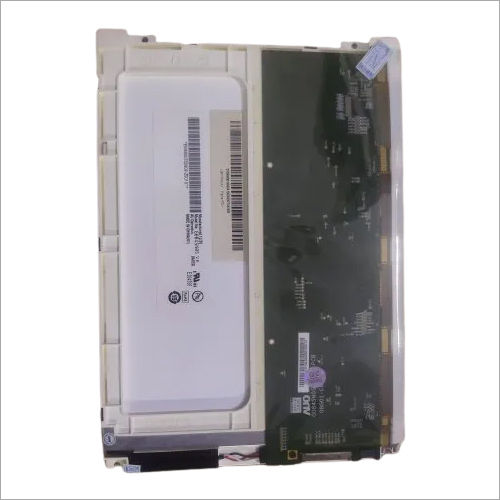
Tell us about your requirement

Price:
Quantity
Select Unit
- 50
- 100
- 200
- 250
- 500
- 1000+
Additional detail
Mobile number
Email

More Products in LCD Display Category
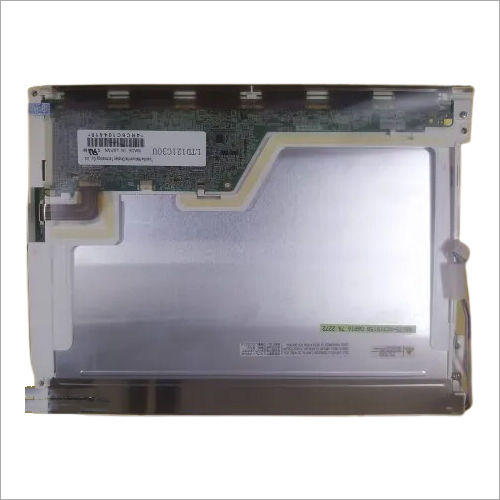
Industrial LCD Display
Minimum Order Quantity : 1 Piece
Application : Industrial
Usage : Factory automation, industrial control systems, HMI
Product Type : Industrial LCD Display
Size : 15 Inch (typical); available in sizes 1021 inch
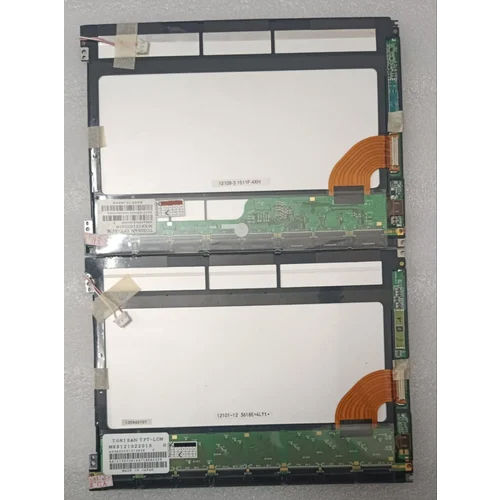
MXS121022010 LCD Display
Price 10250 INR / Piece
Minimum Order Quantity : 1 Piece
Application : Instrumentation, calculators, home appliances
Usage : Industrial
Product Type : MXS121022010 LCD Display
Size : 12 Inch
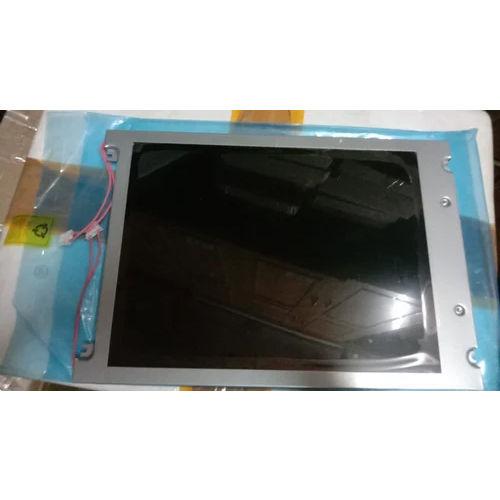
KCB104VG2CA-A43 LCD Module
Price 19250 INR / Piece
Minimum Order Quantity : 1 Piece
Application : Industrial /Medical Display
Usage : Industrial /Medical Display
Product Type : LCD Module
Size : 10.4 Inch
LCD Module
Price 11950 INR / Piece
Minimum Order Quantity : 1 Piece
Application : Industrial equipment, DIY electronics, consumer devices
Usage : Industrial / Medical
Product Type : LCD Module
Size : 10.4 Inch

Contact Details
Sun Tech Services
GST : 07BZXPS7853N1ZY
- Flat No. - 601/C, 2nd Floor, Block-7, Sec. - 3, Bawana, Near Mother Dairy, Delhi - 110039, India
- Phone :07971189982
 Send Inquiry
Developed and Managed by Infocom Network Private Limited.
